

ACROPOLIS CONSTRUCTION
Hub-and-Spoke DistributionMaryland, MDCONCORD INDUSTRIES *NORTH MN PLANT/GW
Routed a shipment from Concord Industries out to in Maryland across our hub-and-spoke lanes.

Tired of paying for empty truck miles? We consolidate at three hubs for maximum efficiency.
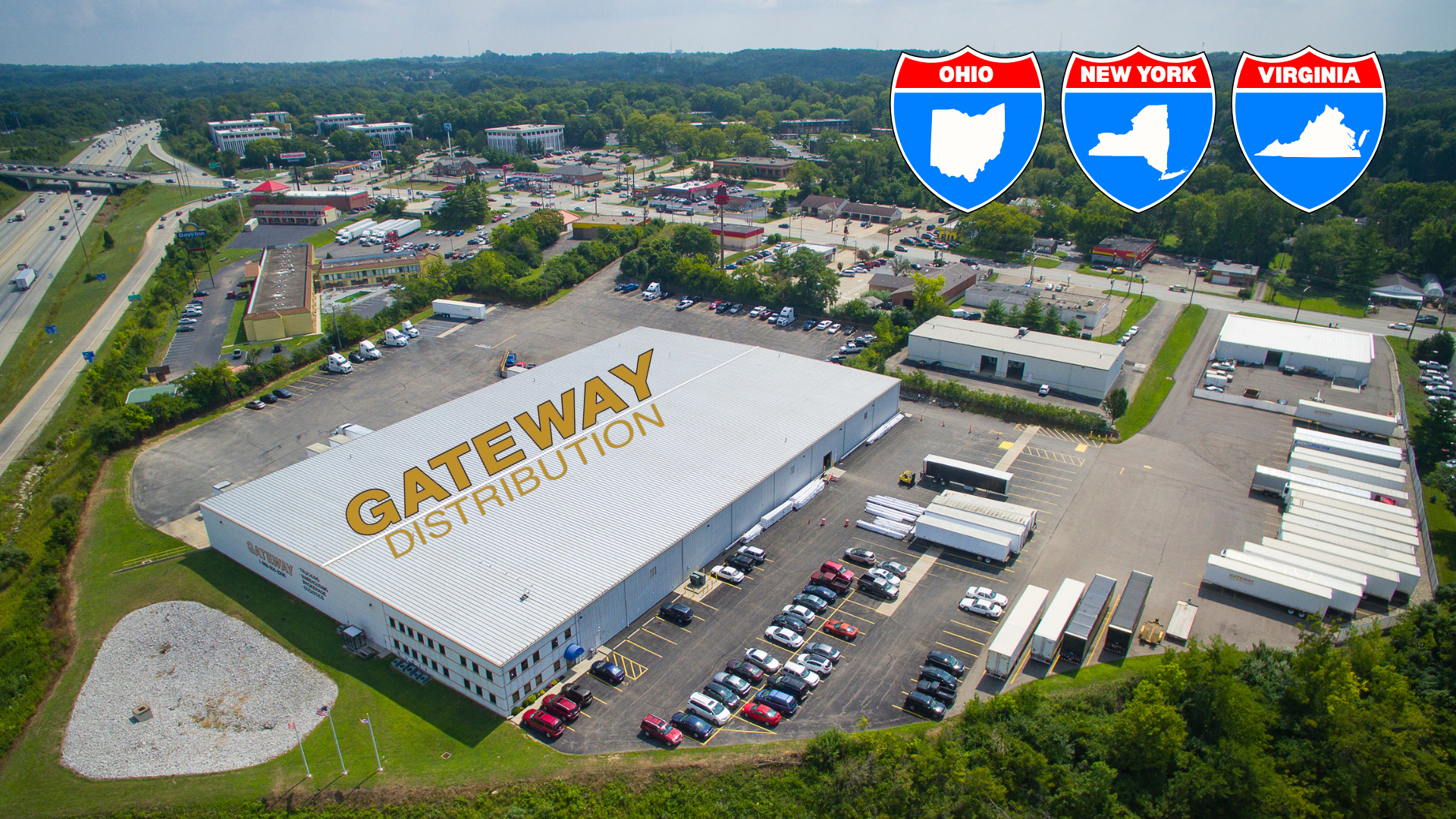
Our hub-and-spoke distribution system operates from Cincinnati, New York, and Virginia to eliminate wasted transport. We consolidate your freight with compatible shipments at the hub closest to your origin, then route everything on the most efficient lanes to destinations across 48 states.
Fewer empty miles means lower cost per shipment without sacrificing delivery reliability or transit times.
Hub-and-spoke distribution works when you have multiple shipments going to different regions but not enough volume to fill entire trucks to each destination. Your freight might be going to construction sites across three states, utility projects in different regions, or retail locations spread across the country. The shipments are too small for dedicated trucks but too valuable to wait weeks for standard LTL consolidation.
Right now you're probably paying separate shipping costs for each destination, watching half-empty trucks drive your freight on inefficient routes. Your aluminum poles, steel materials, or oversized equipment sits in trucks with wasted space while you pay premium rates for scattered deliveries. Each shipment gets treated like a separate project instead of part of a coordinated distribution plan.
Gateway Distribution moves your freight to our Cincinnati, New York, or Virginia hubs where we consolidate shipments heading to similar regions. We group your cargo with other loads going to the same delivery lanes, then route full trucks on the most efficient paths to each destination area. Each truck makes multiple stops along its optimized route, spreading the transportation costs across several deliveries. The service includes tracking from pickup to final delivery, and you can mix LTL with full truckload shipments depending on your volume.
Your freight reaches every destination on schedule while you pay for actual truck space used, not empty miles. You'll see lower per-shipment costs because transportation expenses get shared across multiple deliveries on each route. Your steel poles, aluminum equipment, and oversized cargo move efficiently through our hub system to construction sites, utility projects, and business locations nationwide.
Industry association dedicated to serving and representing the interests of the trucking industry with one united voice.
Membership organization that lets customers know the business is worthy of their trust.
The nation's fifth largest chamber providing economic development, government advocacy, and business growth support.
Commercial Vehicle Safety Alliance promotes commercial motor vehicle safety and security.
You need to plan production around when your materials arrive. The shipping company gave you a vague window. You need to know actual transit times to schedule your crew.
LTL typically takes 2-5 business days depending on distance. Full truckload is usually 1-3 days. Expedited can be next day. Weather, holidays, and freight class affect timing. Get a transit time estimate in writing before you book.
You're considering hub and spoke shipping to save money. You're worried it will take longer than direct shipping because your freight has to stop at a hub first.
Hub and spoke adds 1-2 days compared to direct shipping but costs significantly less. Your freight gets consolidated at the hub then moves on optimized routes. Good for non-urgent shipments where cost matters more than speed.
Your shipping volume is growing. Buying trucks and hiring drivers sounds expensive. But so does paying freight companies every month. You're not sure which costs less long-term.
Calculate the total cost of ownership. Include truck payments, insurance, maintenance, driver wages, and DOT compliance. Most companies save money outsourcing until they ship 40+ loads per month consistently.
You're not sure how far ahead to book trucks. Sometimes you can't get capacity when you need it. Other times you book too early and your freight isn't ready.
Book LTL 1-2 days ahead for standard service. Full truckload needs 2-5 days notice depending on season. Peak seasons (harvest, back-to-school, holidays) require more lead time. Expedited services can often pick up same day.
The specific situations we handle in each area. Tap one to see the full answers.